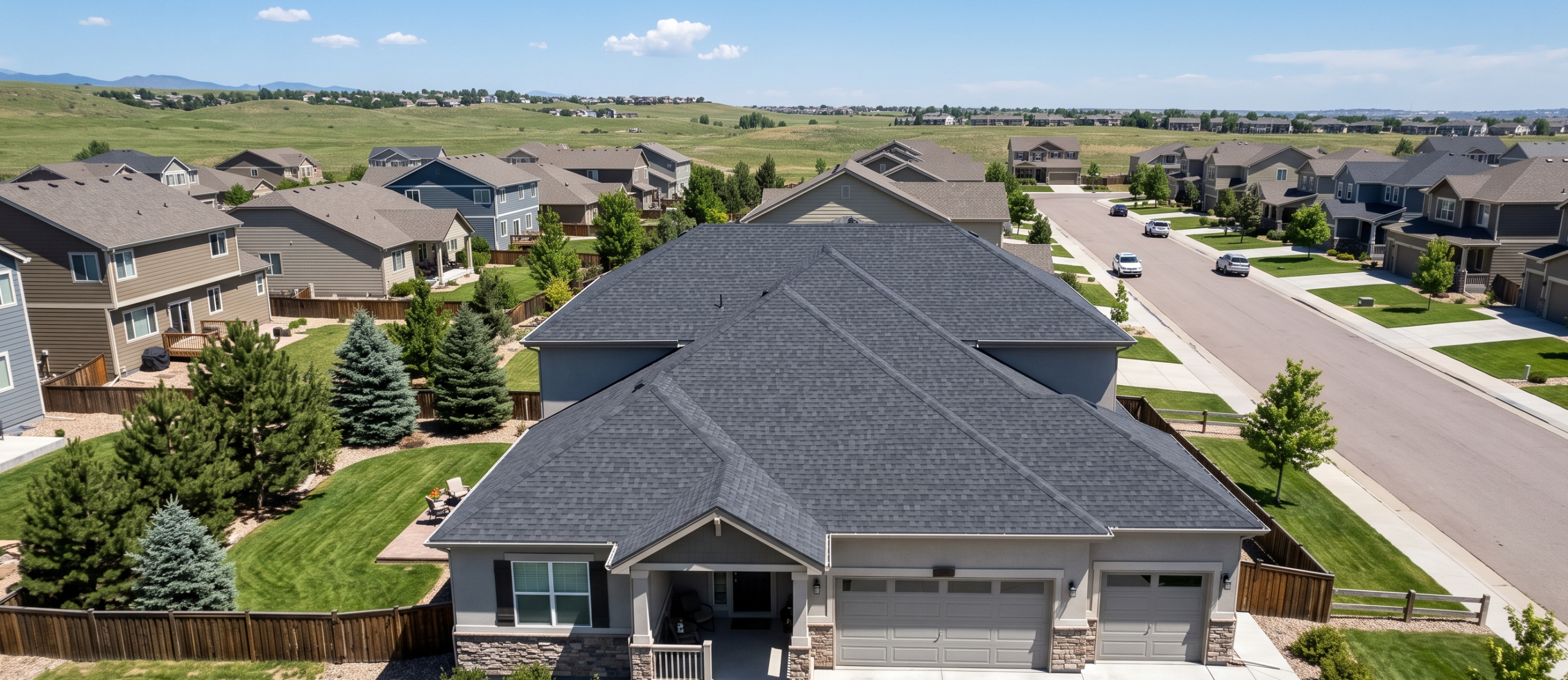
What your policy typically covers after a storm, how to document roof damage properly, and when filing a claim makes sense
The Key Question: Was It the Storm or Was It Wear and Tear?
After a major storm rolls through, it’s natural to look up at your roof and wonder whether the damage you’re seeing is something your insurance will pay for. The short answer is that most standard homeowners insurance policies cover roof damage caused by sudden, accidental events like wind, hail, and fallen trees. What they don’t cover is damage that results from aging, neglect, or lack of maintenance.
That distinction between storm damage and wear-and-tear damage is the single most important factor in whether your claim gets approved or denied. Understanding where that line falls and how to document your situation properly can make the difference between a full repair covered by your insurer and a denial that leaves you paying out of pocket.
What Homeowners Insurance Typically Covers
According to the Insurance Information Institute, standard homeowners policies cover a wide range of potential disasters, including damage from tornadoes, lightning strikes, hail, windstorms, and winter weather events. If a covered peril damages your roof, the structural repair or replacement is generally included under your policy’s dwelling coverage.
Most policies also cover secondary damage caused by the initial event. For example, if wind rips shingles off your roof and rain enters through the exposed area, the resulting water damage to your ceilings, walls, and belongings is typically covered as well. Your policy may also pay for temporary repairs you make to prevent further damage, such as tarping an exposed section of the roof until a permanent fix can be completed.
However, there are important exclusions to be aware of. Flood damage is not covered under standard homeowners policies and requires a separate flood insurance policy. Damage caused by earthquakes is also excluded unless you carry a separate endorsement. And critically, any damage your insurer determines was caused by deferred maintenance, such as a roof that was already deteriorating before the storm, will not be covered.
Signs of Storm Damage That May Qualify
Not all roof damage is visible from the ground, which is why a professional inspection is important after any significant weather event. That said, there are several indicators that suggest your roof sustained storm-related damage worth reporting:
- Missing, cracked, or lifted shingles that weren’t in that condition before the storm
- Dents or pockmarks in shingles, gutters, or metal flashing caused by hail impact
- Shingle granules accumulating in gutters and downspouts in unusual quantities after a storm
- Damaged or displaced ridge caps along the peak of the roof
- Dented or crushed roof vents, exhaust caps, or satellite dishes
- Fallen tree limbs or debris on or near the roof
- New water stains on interior ceilings or walls that appeared after the storm
Hail damage in particular can be difficult to spot from ground level. Hailstones can bruise asphalt shingles by knocking the protective granule coating loose, which exposes the underlying mat to UV degradation and shortens the roof’s lifespan even if it doesn’t cause an immediate leak. A qualified roofer will know what to look for and can identify damage patterns that are consistent with hail versus normal aging.
Signs That Likely Won’t Qualify
Insurance adjusters are trained to distinguish between storm damage and pre-existing deterioration. If your roof was already in poor condition before the storm, the damage may be attributed to age rather than the weather event. Common issues that typically don’t qualify for a claim include:
- Curling or buckling shingles caused by years of UV exposure and thermal cycling
- Moss or algae growth that has gradually degraded the shingle surface
- Leaks around flashing points that have been deteriorating over time
- General wear on a roof that has reached or exceeded its expected lifespan
This doesn’t mean you can’t file a claim on an older roof. It means the adjuster will evaluate whether the specific damage you’re claiming was caused by the storm or was already present. Having documentation of your roof’s condition before the storm, such as inspection reports or photos from a prior maintenance visit, can help establish that the damage is new.
How to Document the Damage
The National Association of Insurance Commissioners recommends having an accurate account of the damage for your insurance company before you begin any cleanup or permanent repairs. Thorough documentation strengthens your claim and reduces the chance of disputes during the adjustment process.
Here’s what to do in the days immediately following a storm:
- Take timestamped photos and video of all visible damage from multiple angles, including close-ups and wider context shots
- Photograph debris on the ground, including fallen shingles, tree limbs, and hail accumulation if it’s still present
- Document any interior damage such as water stains, wet insulation, or dripping
- Save any damaged materials rather than disposing of them before the adjuster’s visit
- Keep receipts for any temporary repairs you make to prevent further damage
- Write down the date and approximate time of the storm for your records
Do not climb onto the roof yourself to inspect damage. It’s dangerous, especially after a storm when surfaces are wet or structurally compromised. Hire a licensed roofing contractor to perform a proper inspection and provide a written assessment you can include with your claim.
When to File and When to Think Twice
The NAIC’s guide to filing homeowners claims suggests that before reporting damage, you should find out what your deductible is and weigh the cost of the repair against what you’d pay out of pocket. If the damage is minor and the repair cost is close to or below your deductible, filing a claim may not make financial sense because you’d still be responsible for the deductible amount and the claim would go on your record.
Filing a claim generally makes sense when the damage is significant enough that the repair cost clearly exceeds your deductible by a meaningful margin. For a roof that needs major repair or full replacement after a hailstorm or high-wind event, the claim is almost always worth filing.
Keep in mind that most insurance companies have a time limit for reporting storm damage. Many require notification within forty-eight to seventy-two hours of the event, though you may have longer to file the formal paperwork. Reporting promptly protects your coverage and gets the process moving before the damage has a chance to worsen.
What to Expect From the Adjuster
After you file a claim, your insurance company will send a claims adjuster to inspect the damage. The adjuster works for your insurer, and their job is to assess the scope of the damage, determine whether it was caused by a covered event, and estimate the cost of repair or replacement.
Being present during the adjuster’s inspection is important. Walk the property with them, point out all areas of damage you’ve documented, and provide any photos, videos, or contractor reports you’ve gathered. If your roofing contractor can be present for the inspection, that’s even better, since they can speak to the technical details of the damage and ensure nothing gets overlooked.
If the adjuster’s estimate comes in lower than what your contractor quotes, you have the right to negotiate. You can provide additional documentation, request a re-inspection, or hire a public adjuster to represent your interests independently. A public adjuster works for you rather than the insurance company and typically charges a percentage of the final settlement.
Replacement Cost vs. Actual Cash Value
One detail that significantly affects your payout is whether your policy uses replacement cost value or actual cash value. A replacement cost policy pays the full cost of replacing your roof with comparable materials at current prices. An actual cash value policy deducts depreciation, which means you’ll receive less money for an older roof even if the storm damage is identical.
If you have an actual cash value policy and your roof is fifteen or twenty years old, the depreciation deduction can be substantial. Understanding which type of coverage you carry before a storm hits helps you plan realistically for what your out-of-pocket costs might look like even with an approved claim.
Think Your Roof Has Storm Damage?
Get a free, no-obligation quote to assess the damage and find out what your repair or replacement options look like.
Get Your Free Quote